Inside The Set: A Decade of Pop-Ups Lands on Preston Road
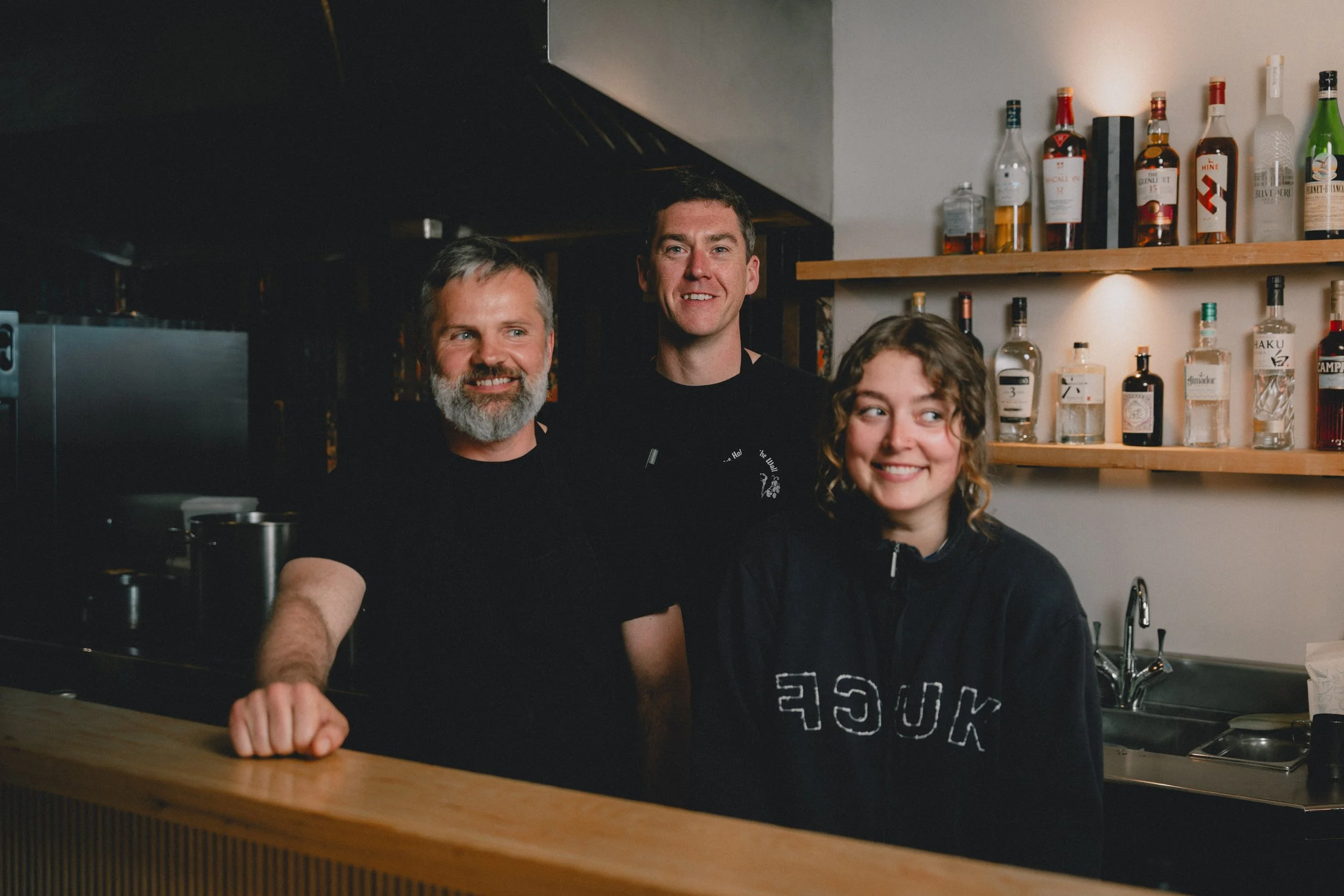
Ten years of pop-ups later, Dan Kenny and Marcin Miasik finally have a permanent home for The Set on Preston Road. Twelve covers, counter seating, produce-led cooking.
Food StoriesDan Kenny and Marcin Miasik have spent years cooking together without a place to truly call their own. Through residencies, pop-ups and iterations in between, they've built the kind of loyal following most restaurants take decades to earn.
When they were ready to open somewhere permanent, they didn't go looking for backers. Eighteen percent of the funds came from their own community — people who'd been coming to their tables for years.
The Set is a produce-led, Asian-influenced tasting menu. Counter seating, no printed menu, no phones. Technically serious cooking that doesn't take itself too seriously — intimate enough to feel more like a supper club than a restaurant. Dan and Marcin do the cooking. Georgia Fenwick runs front of house. Twelve covers, three people. Their first permanent home.
The space is shared across the week with Tony of Masu — Japanese BBQ and sushi omakase sitting alongside The Set's tasting menu and M.A.D. (Midweek Affordable Dinner). Different formats, different price points, one kitchen.
Getting here wasn't straightforward. Dan and Marcin first brought The Set to life at the Artist Residence Hotel on Regency Square, where it ran until the pandemic forced a rethink — to downsize or fold. Café Rust in Preston Circus offered them a way through, a generosity between independents that kept one of Brighton's best kitchens alive. That period sharpened everything. By the time they were ready for a permanent home they knew exactly what they wanted, and exactly how they wanted to do it.
The new site is on Preston Road, in the stretch leading up to Preston Circus — a neighbourhood that locals tend to talk about with a quiet kind of loyalty. Dan puts it plainly:
"It's got plenty of character and the rent is affordable — which gives small independents a real chance of success."
Once they're settled, The Set will launch Onigiri4All — a community project aimed at food poverty in Brighton. Named after the Japanese rice ball, simple and democratic, it feels entirely in keeping with how they've built everything else.
We asked Dan what he wants people to take away from a meal at The Set. "We want people to have a good night and enjoy what's on offer and come back. Eating out is about having fun — leaving people to do what they're good at and relaxing into it. Drinking and eating too much is a great thing."
Ten years in the making. 9 Preston Road. Book at thesetrestaurant.com.
The North Star: A Pub with a Purpose in Brighton
The North Star in Brighton is a neighbourhood pub with a deeper purpose, created by Team Domenica to support candidates with learning disabilities and autism into meaningful employment.
Feb 2026
Brighton has no shortage of pubs, but The North Star arrives with something a little different behind it.
Created by Brighton charity Team Domenica, the venue combines the feel of a proper neighbourhood pub with a mission that runs deeper. The organisation works to help young people with learning disabilities and autism move into meaningful employment - and at The North Star, that work becomes part of the everyday life of the pub.
Crucially, it never feels like a training centre with a bar attached. Instead, the pub has been designed first and foremost as a place locals will genuinely want to spend time - whether that’s for a relaxed pint, dinner with friends, or a Sunday roast.
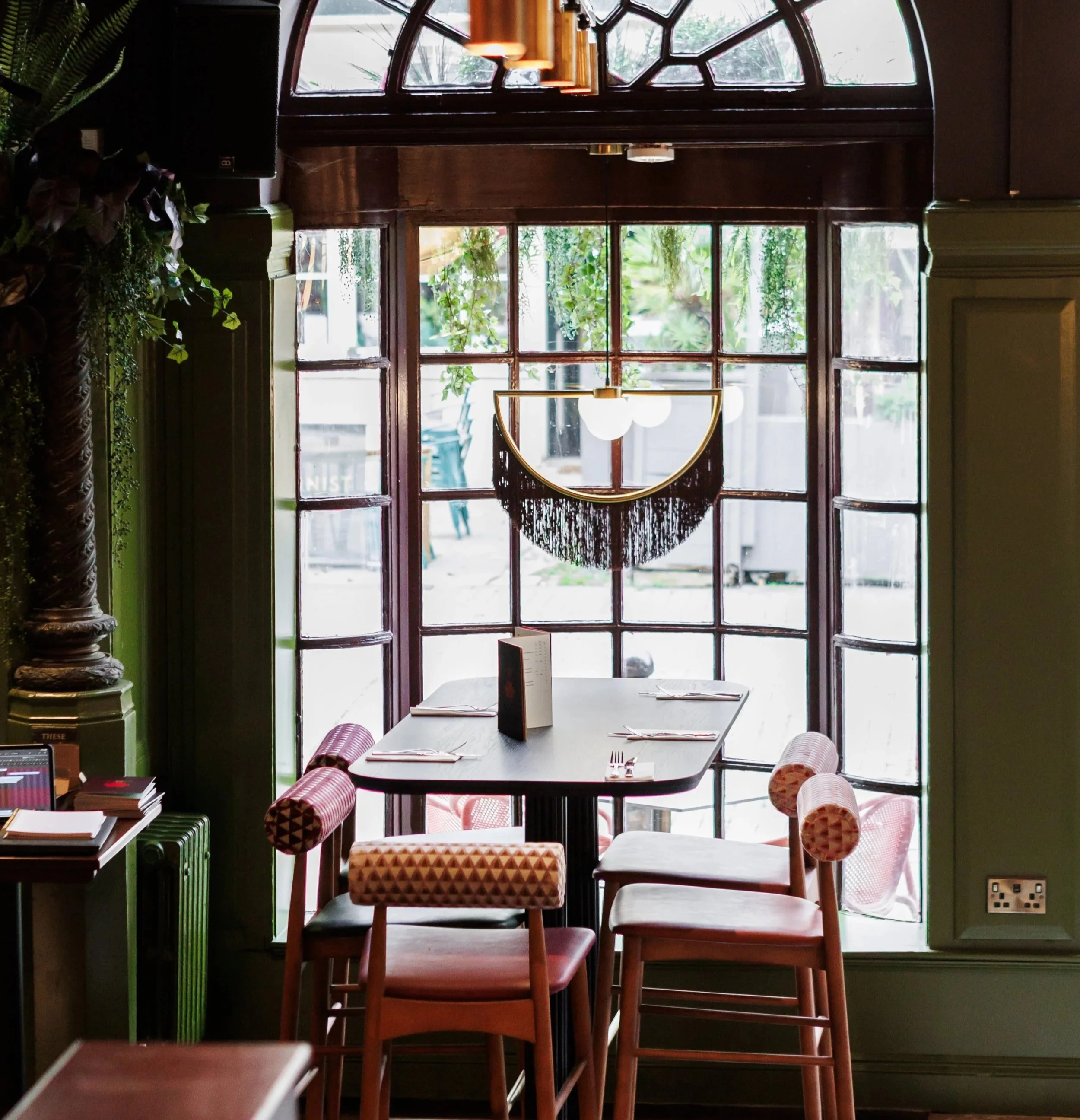
Inside, the space nods to Brighton’s past. The building was once home to the Brighton Herald newspaper, and the interiors draw inspiration from the era of Brighton Rock, blending vintage character with a relaxed, welcoming atmosphere. The kitchen leans into comforting pub classics - think ploughman’s platters, fish and chips, and sausage and mash.
Upstairs is where the project's deeper purpose comes into focus. Here, Team Domenica is creating a bespoke education centre for its candidates. In addition to the education programme, they will also learn hospitality skills in the real working environment of the pub, from food preparation to front-of-house service. The aim is simple but powerful: building confidence, experience and pathways into long-term employment.
Since launching in 2016, Team Domenica has helped many young people across Sussex gain the skills needed to enter the workforce - many moving into paid roles in hospitality and beyond.
When we visited, what stood out most was the warmth of the team and the clear passion behind the project. The atmosphere is genuine and welcoming, and it’s obvious that both the pub and the training programme are things the staff care deeply about.
From Field to Fork: Inside Sussex’s Independent Food Culture
Explore Sussex’s field-to-fork food culture, from regenerative farms and local producers to independent restaurants shaping the county’s thriving food scene.
In Sussex, food is about more than what’s on the plate. Across the county, farmers, growers, producers and independent restaurants are shaping a food culture built around locality, sustainability and a strong sense of place.
The phrase field to fork isn’t a trend here, it’s simply how things are done.
Much of the produce served in Sussex restaurants is grown, raised or crafted just a few miles away. Farms like Trenchmore near Cowfold produce Sussex Wagyu beef, while Tablehurst and Plaw Hatch in Forest Row supply organic vegetables, meat and dairy through their long-standing biodynamic farms and shops. Nutbourne Tomatoes have quietly become a staple for chefs across London, and High Weald Dairy continues to produce award-winning cheeses that celebrate Sussex’s dairy heritage.
Closer to the coast, producers like Basil’s Funghi Farm in Hastings grow small-batch mushrooms for local restaurants and markets, adding another layer to the county’s network of independent suppliers.
Wine has also become an important part of Sussex’s food identity. Vineyards across the South Downs are producing sparkling wines now recognised far beyond the county, while natural wine producers continue to experiment with small-scale, low-intervention methods. Much of this momentum is supported by Plumpton College, which trains the next generation of winemakers and viticulturists.
What truly defines Sussex’s food culture is the connection between land and kitchen. Many independent restaurants build their menus around nearby farms and suppliers, changing dishes with the seasons and working closely with the people producing their ingredients. Restaurants like Farmyard in St Leonards draw directly from surrounding farms and producers, creating seasonal menus that reflect the landscape around them.
Distributers such as Shrub also help bridge the gap between growers and kitchens, sourcing ethically and distributing Sussex-grown ingredients to restaurants across the South East and London.
Across the county, this ecosystem continues to grow. From regenerative estates like Knepp to small mushroom farms, vineyards, dairy producers and coastal restaurants, Sussex’s food culture is built on relationships between land, producer and plate.
At Sussex Stories, we’re here to share those connections - because behind every meal in Sussex, there’s a story that begins long before it reaches the table.